A new generation of boron nitride ceramic rings is now available for use in plasma torch electrode holders. These rings are designed to meet the tough demands of waste destruction systems. Plasma torches operate at extremely high temperatures. They need components that can handle intense heat and resist chemical wear. Boron nitride offers both thermal stability and electrical insulation. This makes it ideal for protecting sensitive parts inside the torch.
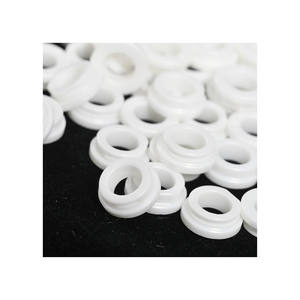
(Boron Nitride Ceramic Rings for Electrode Holders in Plasma Torches for Waste Destruction)
Manufacturers have long searched for materials that last longer under harsh conditions. Traditional ceramics often crack or degrade too quickly. Boron nitride ceramic rings solve this problem. They stay strong even when exposed to repeated thermal cycling. Their smooth surface also reduces friction during assembly and maintenance. This helps operators install and replace parts faster and with less risk of damage.
The rings are made using a specialized process that ensures consistent quality. Each batch undergoes strict testing for purity and structural integrity. This guarantees reliable performance in real-world applications. Waste treatment facilities using plasma technology benefit from fewer shutdowns and lower replacement costs. The rings also help maintain stable arc formation, which is critical for efficient waste breakdown.
Demand for these components is growing as more companies adopt plasma-based waste destruction. The method turns hazardous materials into harmless byproducts without creating secondary pollution. Reliable hardware like boron nitride rings plays a key role in making the process work smoothly. Users report improved uptime and reduced maintenance headaches since switching to this material.
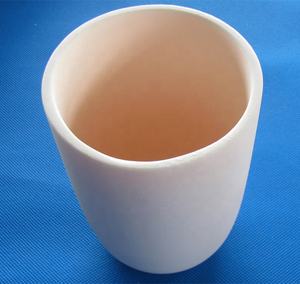
(Boron Nitride Ceramic Rings for Electrode Holders in Plasma Torches for Waste Destruction)
Suppliers are ramping up production to meet rising orders. The rings are compatible with most standard plasma torch models. Custom sizes are also available for unique setups. Engineers working on next-generation systems are already incorporating them into their designs.
